
How Massage Therapy Corrects Postural Problems & Tension
Your shoulders have taken up permanent residence near your ears, your neck cranes forward like a curious giraffe, and that persistent ache between your shoulder blades has become as familiar as your morning coffee. Sound familiar? You’re not alone in this modern epidemic of postural dysfunction that affects nearly 80% of office workers according to recent ergonomic studies. The human body wasn’t designed to spend eight hours hunched over keyboards or scrolling through smartphones, yet here we are, collectively creating a generation of forward head posture and rounded shoulders. The good news? Massage therapy offers a proven, natural solution that addresses both the symptoms and root causes of these postural imbalances.
At Massage Bliss and Cryo, we’ve witnessed countless clients transform their posture and reclaim their comfort through targeted therapeutic techniques. Understanding how massage therapy works to correct these issues can help you make an informed decision about your path to better alignment and pain relief.
Understanding Postural Imbalances and Their Impact
Postural imbalances occur when your body compensates for repetitive positions or movements, creating muscle tension patterns that pull your skeleton out of optimal alignment. Your muscles work in pairs – when one group becomes tight and overactive, the opposing group often becomes weak and lengthened. This muscular tug-of-war creates the chronic tension and discomfort you’re experiencing.
Forward head posture, for example, shortens the muscles at the base of your skull while lengthening and weakening the deep neck flexors. Similarly, rounded shoulders result from tight chest muscles and weak upper back muscles. These imbalances don’t just affect your appearance; they can lead to headaches, reduced lung capacity, nerve impingement, and chronic pain throughout your entire kinetic chain.
Research published in the International Journal of Therapeutic Massage & Bodywork demonstrates that these compensatory patterns can develop within just two weeks of sustained poor posturing, making early intervention crucial for preventing long-term complications.
How Massage Therapy Restores Muscular Balance
Massage therapy addresses postural imbalances through multiple therapeutic mechanisms that work synergistically to restore proper alignment. The primary approach involves releasing tension in overactive muscles while encouraging better circulation and flexibility in affected tissues.
Myofascial Release and Trigger Point Therapy
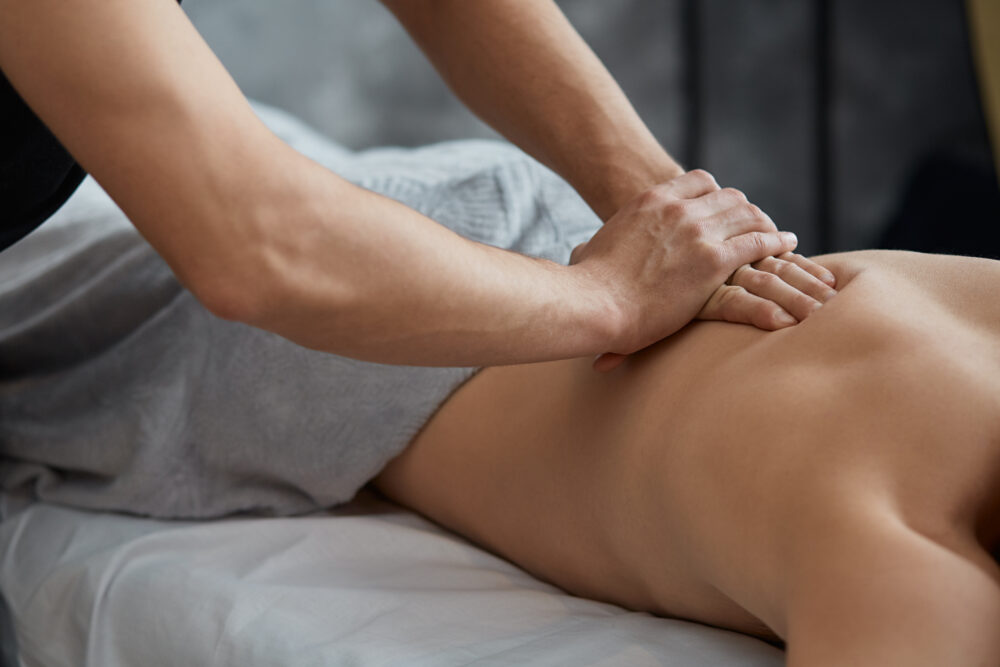
Deep tissue massage techniques target the fascia – the connective tissue that surrounds and supports your muscles. When fascia becomes restricted due to poor posture, it can create adhesions that limit mobility and perpetuate dysfunction. Skilled massage therapists use specific pressure and movement patterns to release these restrictions, allowing muscles to return to their natural length and function.
Trigger point therapy focuses on those tender knots you feel in your muscles. These hyperirritable spots often develop in postural muscles that are chronically overworked. By applying sustained pressure to these points, massage therapy can deactivate them and restore normal muscle function.
Neuromuscular Re-education
Your nervous system plays a crucial role in maintaining posture through proprioception – your body’s awareness of its position in space. Chronic postural dysfunction can impair this system, making it difficult for your body to recognize and maintain proper alignment. Massage therapy helps reset these neural pathways through targeted touch and movement, improving your body’s ability to self-correct.
The Science Behind Long-Term Postural Correction
Research consistently supports massage therapy’s effectiveness for postural improvement. A study in the Journal of Physical Therapy Science found that participants receiving regular massage therapy showed significant improvements in forward head posture and reduced upper trapezius tension after just four weeks of treatment.
The key to lasting results lies in addressing both the tight, overactive muscles and the weak, inhibited ones. While massage therapy excels at releasing tension and improving tissue quality, combining it with corrective exercises and ergonomic modifications creates the most comprehensive approach to postural restoration.
Your massage therapist can identify specific muscle imbalances contributing to your postural dysfunction and develop a treatment plan that targets these areas systematically. This might include techniques ranging from gentle Swedish massage to more intensive deep tissue work, depending on your individual needs and tolerance.
What to Expect During Your Postural Correction Journey
Correcting postural imbalances through massage therapy is typically not a quick fix, but rather a gradual process that requires consistency and patience. Most clients begin noticing improvements in comfort and mobility within the first few sessions, with more significant postural changes becoming apparent over several weeks of regular treatment.
Your massage therapist will likely start with broader techniques to improve overall tissue quality and circulation before progressing to more specific work targeting your particular imbalances. You might experience some temporary soreness as tight muscles are released and circulation improves, but this typically resolves quickly.
Between sessions, your therapist may recommend specific stretches or exercises to help maintain the progress achieved during treatment. These homework assignments aren’t meant to overwhelm you but rather to support and accelerate your improvement.
Beyond the Massage Table: Integrating Holistic Approaches
While massage therapy provides powerful therapeutic benefits for postural correction, the most successful outcomes often involve a multi-faceted approach. Your massage therapist might recommend complementary strategies such as ergonomic improvements to your workspace, specific strengthening exercises for weak postural muscles, or stress management techniques to reduce the muscle tension that contributes to poor posture.
At Massage Bliss and Cryo, we understand that every client’s postural challenges are unique. Our experienced therapists take time to assess your specific imbalances and develop personalized treatment plans that address your individual needs and lifestyle factors.
Reclaim Your Posture, Reclaim Your Comfort
Your body has a remarkable ability to adapt and heal when given the right support. Massage therapy provides that support by addressing the muscular imbalances and tissue restrictions that perpetuate poor posture and chronic tension. With consistent care and the right therapeutic approach, you can break free from the cycle of postural dysfunction and rediscover what it feels like to move through your day with comfort and confidence.
Don’t let another day pass with your shoulders permanently attached to your ears. Contact Massage Bliss and Cryo today to schedule your postural assessment and begin your journey toward better alignment. Your future self – the one standing tall and moving freely – will thank you for taking this important step toward lasting relief and improved quality of life.